How to Tint Plastic with Acrylic Paint: The Professional Guide
Navigating the world of plastic coloration requires a strict understanding of polymer science, surface energy, and application environments. Every day, we see hobbyists and small-scale fabricators attempt to change the color of existing polymer components without understanding the underlying chemistry. A common question that arises is how to tint plastic with acrylic paint. While this method is frequently touted on crafting blogs and DIY forums, the industrial reality is far more complex.
From our experience engineering advanced masterbatch solutions, attempting to tint plastic with acrylic paint is a surface-level modification that carries significant mechanical vulnerabilities. Because most plastics possess a low surface energy and a non-porous structure, standard water-based acrylics fail to form a chemical bond with the substrate. However, if you are working on a prototype, a decorative piece, or a low-friction hobby project, there is a specific methodology you can follow to force temporary adhesion.
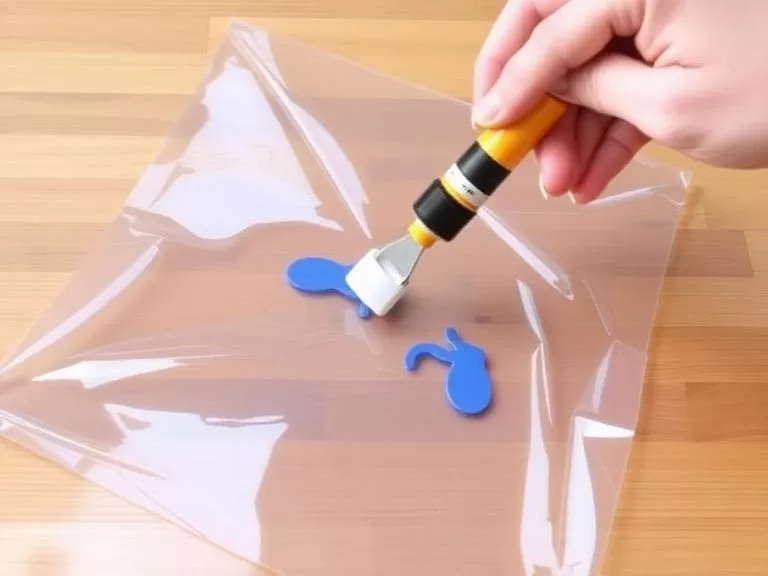
In this guide, we will break down exactly how to tint plastic with acrylic paint, why the process works mechanically, and more importantly, whether it is actually worth using for your specific application. We will provide commercial and practical judgment to help you decide when a surface coating is sufficient, and when you must rely on internal resin coloration.
Quick Answer: Can you tint plastic with acrylic paint?
Yes, you can tint plastic with acrylic paint, but the process requires mandatory surface preparation. Because plastic is non-porous, acrylic paint will peel off immediately if applied directly. To successfully tint plastic with acrylic paint, you must first lightly sand the surface with fine-grit sandpaper (400-grit) to create micro-abrasions, apply a solvent-based plastic primer to alter the surface tension, apply the acrylic paint in multiple thin layers, and seal it with a clear polyurethane or acrylic topcoat. However, this method is strictly for cosmetic, low-wear items and is completely unsuitable for commercial manufacturing or heavy-duty applications.
Table of Contents
- What It Is: The Chemistry of Acrylic on Polymer
- Quick Summary Table
- How It Works: Step-by-Step Guide
- Benefits of Acrylic Tinting
- Limitations: Why Acrylic Fails
- Who Should Use It & Who Does Not Need It
- Pros vs Cons Table
- Comparison Table: Acrylic vs. Industrial Masterbatch
- Common Mistakes to Avoid
- Buying Considerations Guide
- Expert Recommendation from Charming Masterbatch
- The Bottom Line
- Frequently Asked Questions
- References
What It Is: The Chemistry of Acrylic on Polymer
To understand what happens when you tint plastic with acrylic paint, you must look at the surface energy of the materials involved. Plastics like Polyethylene (PE) and Polypropylene (PP) have notoriously low surface energy, meaning liquids tend to bead up rather than spread out and wet the surface. Acrylic paint is a fast-drying paint consisting of pigment suspended in an acrylic polymer emulsion.
When you attempt to tint plastic with acrylic paint without preparation, you are essentially laying a flexible plastic film (the dried acrylic) over a rigid or semi-rigid plastic substrate (the object). Because there is no chemical solvent melting the two together, and no mechanical grip, the paint simply sits on top, held by weak van der Waals forces. This is why it scrapes off with a fingernail.
To make it work, you must artificially alter the surface. This is achieved through mechanical abrasion (sanding) and chemical bridging (priming). A proper plastic primer contains aggressive solvents that slightly etch the top layer of the plastic, creating a bonding layer that the acrylic emulsion can latch onto.
Quick Summary Table: Tinting Methods
| Method | Required Prep | Durability | Best Application |
|---|---|---|---|
| Acrylic Paint (Surface) | Sanding + Plastic Primer | Low to Medium (Scratches easily) | Cosmetic prototypes, models, indoor decor |
| Solvent Dye (Surface) | Heat + Chemical Immersion | Medium (Penetrates top layer) | Nylon components, 3D printed parts |
| Masterbatch (Internal) | Compounding during melting phase | Maximum (Color is structural) | Commercial mass production, heavy-duty use |
How It Works: Step-by-Step Guide
If your project constraints require a surface-level color change, you must execute the process flawlessly. In our testing, skipping a single step in this sequence guarantees coating failure within weeks. Here is the professional methodology to tint plastic with acrylic paint.
- Degreasing and Cleaning: Industrial plastics are often coated in mold release agents from the manufacturing process, while household plastics carry oils from human hands. Wash the component thoroughly with dish soap and warm water, followed by a wipe-down with isopropyl alcohol. Allow it to air dry completely.
- Mechanical Abrasion (Sanding): Using 400-grit to 600-grit sandpaper, gently scuff the entire surface of the plastic. The goal is not to gouge the material, but to remove the glossy finish. This creates micro-scratches—a physical “tooth”—that the primer can grip. Wipe away all plastic dust with a tack cloth.
- Applying an Adhesion Promoter (Primer): This is the non-negotiable step. Apply a dedicated plastic primer (often available in aerosol cans). These primers contain solvents that chemically bite into the plastic. Apply one light coat and let it cure according to the manufacturer’s specifications.
- Tinting with Acrylic Paint: Now you can successfully tint plastic with acrylic paint. Do not apply a single thick coat, as acrylic cures from the outside in, which can trap moisture and cause bubbling. Apply the paint in three to four very thin layers, allowing 15 to 20 minutes of drying time between each coat. For a smooth finish, use a high-density foam roller or an airbrush system.
- Sealing the Surface: Because acrylic paint remains slightly porous and soft when dry, it must be protected. Apply a clear, non-yellowing acrylic sealer or polyurethane topcoat. This provides a hard shell that resists minor abrasions and UV degradation.
Benefits of Acrylic Tinting

Despite our reservations regarding its commercial viability, choosing to tint plastic with acrylic paint offers specific, localized advantages for certain user groups.
First, accessibility is unmatched. Acrylic paints are inexpensive, water-soluble (making cleanup safe and easy), and available in thousands of exact color matches. Second, it allows for extreme detailing. If you are painting a tabletop miniature or a specialized prop, acrylics allow for dry-brushing, washes, and gradients that are impossible to achieve with internal plastic colorants.
For beginners and rapid prototypers, it offers a fast visual turnaround. You can 3D print a part, sand it, and tint plastic with acrylic paint within a single afternoon to present a visual mock-up to a client before committing to expensive tooling and colored resins.
Limitations: Why Acrylic Fails in Professional Settings
We must be absolutely clear: tinting plastic with acrylic paint is a cosmetic hack, not a structural engineering solution. The limitations are severe and render this method unusable for commercial goods.
Mechanical Fragility: Because the color is entirely superficial, any impact, deep scratch, or heavy friction will shear the acrylic layer off, exposing the original plastic underneath. It cannot withstand repeated handling, meaning it is useless for consumer electronics, automotive parts, or children’s toys.
Chemical and Environmental Vulnerability: Acrylic paint offers poor resistance to solvents, heavy detergents, and continuous moisture. Furthermore, standard craft acrylics degrade rapidly under ultraviolet light, leading to chalking and fading. In most professional situations requiring outdoor durability, manufacturers bypass surface coatings entirely and consult a masterbatch composition guide to engineer UV stabilizers directly into the polymer matrix.
Toxicity and Food Safety: Painted plastic is never food-safe. The acrylic polymers and chemical sealers will leach over time. If you are manufacturing food containers or medical devices, you must use FDA-compliant colorants embedded within the plastic, not painted on top.
Who Should Use It & Who Does Not Need It
Who should use it: Hobbyists, scale modelers, cosplayers, and industrial designers creating non-functional visual prototypes. If the item will sit on a shelf and never be subjected to friction, moisture, or heavy sunlight, you can safely tint plastic with acrylic paint.
Who does not need it: Commercial manufacturers, injection molders, extrusion facilities, and anyone producing goods for public sale. For commercial users, surface painting adds massive labor costs, slows down production timelines, and results in a highly inferior product. If you are manufacturing hundreds or thousands of units, you do not need surface paint; you need to color the plastic at the molecular level during the melting phase.
website : https://www.charmingmb.com/2026/07/07/how-to-tint-plastic-with-acrylic-paint-the-professional-guide/


Comments
Post a Comment